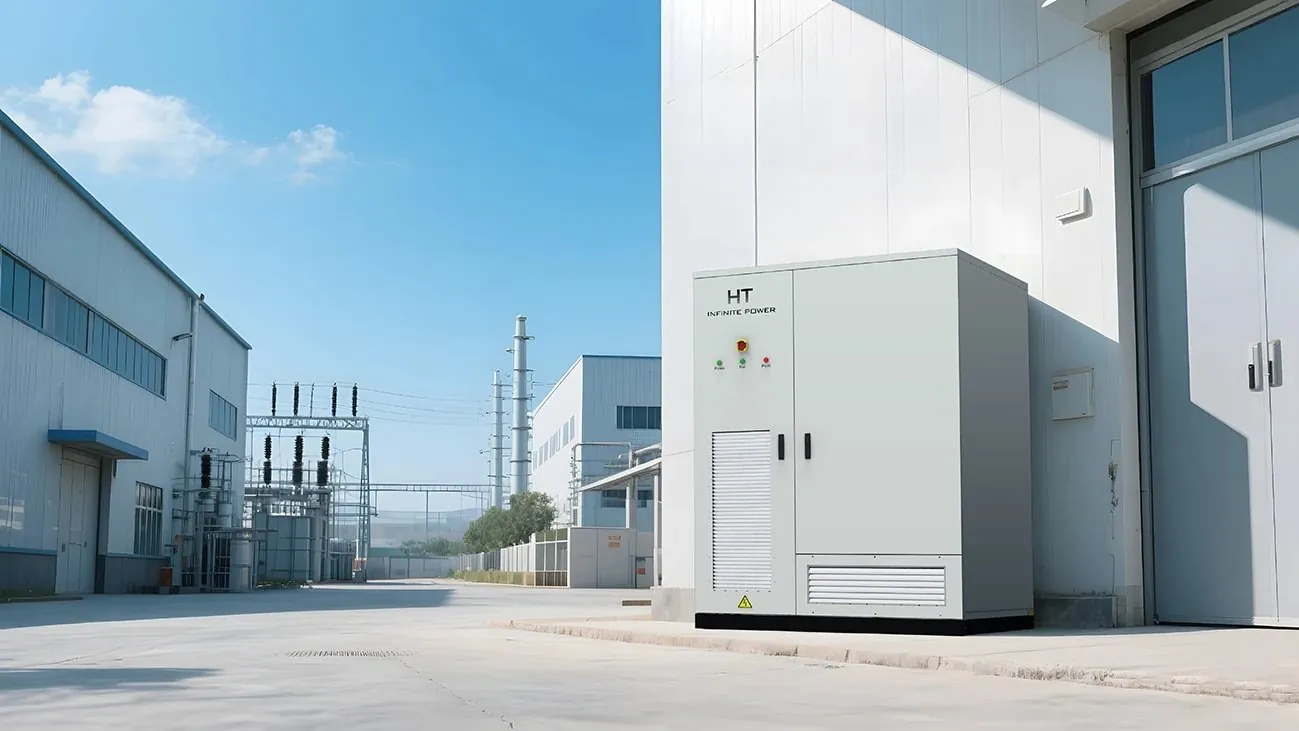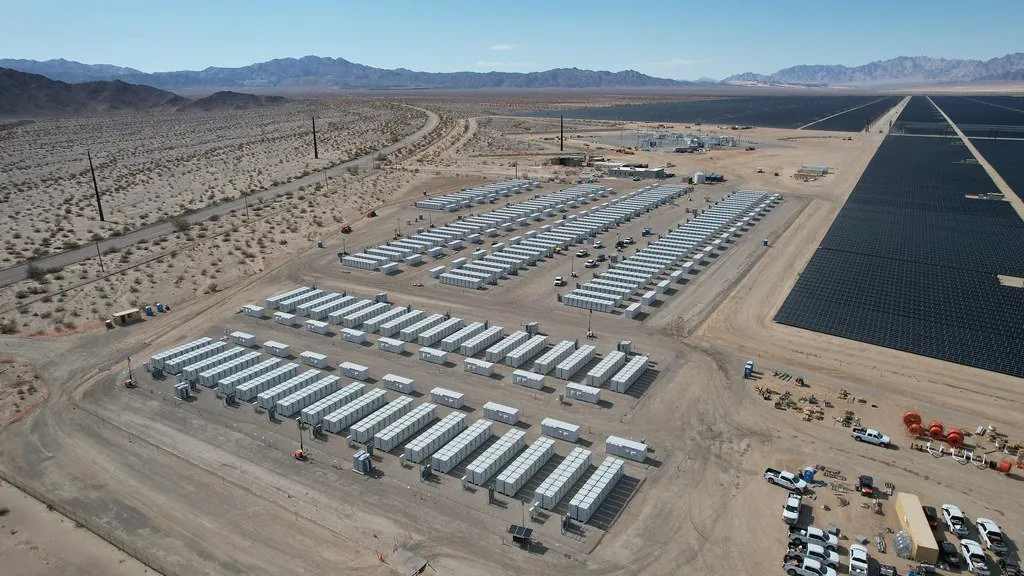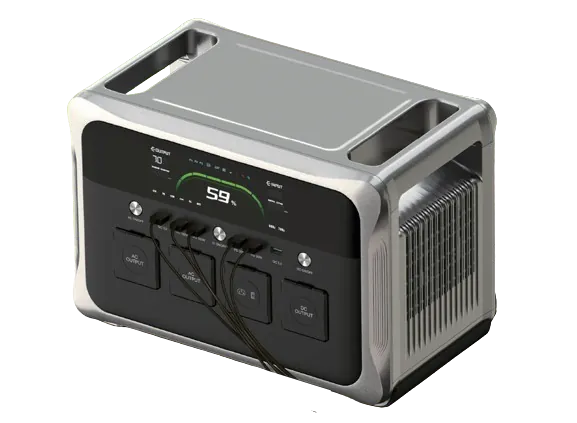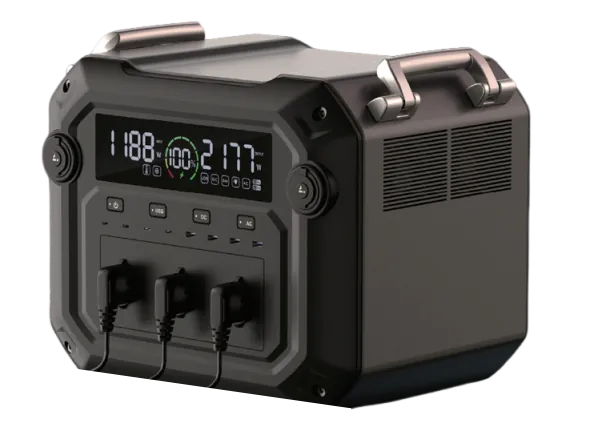
Portable power stations and solar generators are among the fastest-growing energy storage categories in the US market. Before ordering, most buyers search for "best portable power stations" or "best solar generator" to shortlist models. As an OEM/ODM factory, we recommend defining your power range and use case (camping, emergency backup, off-grid worksites) first, then comparing battery chemistry (LiFePO4), recharging options (AC/solar/car) and port configuration, and finally checking certifications (UL/CE/UN38.3) and batch delivery capability.
Portable power station OEM/ODM procurement usually targets channel distribution, brand customization, outdoor power, emergency backup and small construction power. Do not compare only wattage and capacity — check whether the product tier covers your target customers. Entry products emphasize light weight and price, mid-power products focus on interface richness and solar recharging, while high-power units demand wheels, cooling, noise control, inverter stability and high-current safety design.Confirm specifications in detail
When inquiring, clarify battery capacity, rated power, peak power, AC output standard, USB-C power, DC and car ports, solar input range, charge time, display information, cycle life and operating temperature. Socket standards, certifications and packaging languages vary by country; export projects should also confirm UN38.3, MSDS, sea/air shipping documents, and target-market requirements such as CE, FCC and UKCA. For brand customization, provide LOGO, shell color, packaging dimensions, manual language and warranty policy.
Communicate delivery capability
The riskiest OEM/ODM steps are prototype confirmation, appearance revisions, material lead times and batch consistency. Confirm minimum order quantity, sampling lead time, mold or silk-screen costs, batch delivery, spare part ratio, after-sales replacement rules and packaging drop-test standards. For channel customers, a product matrix matters more than a single hit model — plan 300W, 600W, 1000W, 2000W and 3000W tiers to build a price ladder and scenario coverage.
Quality control and delivery
Batch orders fear prototype-versus-production inconsistency most. Confirm the factory's incoming inspection, full aging tests and packaging drop-test process, plus sampling ratios and non-conformance rules. Require aging records and test reports for the first batch, with third-party inspection if needed. Battery products also involve transport compliance — UN38.3 reports, MSDS files and dangerous-goods packaging labels must be agreed at order confirmation.
Wholesale pricing and MOQ strategy
Portable power station pricing follows a ladder: the more units per model and the wider the committed product mix, the lower the per-unit cost, because tooling, packaging and testing are amortized over the batch. When requesting wholesale quotes, ask for the price per tier (for example 100, 500, 1,000 and 5,000 units), the MOQ per model and per mixed order, and whether sample units are deducted from the first batch. Confirm what the price includes — product, retail packaging, accessories (AC cable, solar cable, manual), certificate copies and export packaging — and what is extra, such as logo silkscreening, custom packaging design or special firmware. Payment terms in the industry typically range from 30% deposit with balance before shipment to L/C for larger orders; agree on the Incoterm (EXW, FOB, DDP) early, because inland freight and export formalities can add materially to the landed cost.
White label and private label branding
Many channel brands sell portable power under their own name, so confirm the branding options with the factory before sampling: logo silkscreen or sticker on the shell, printed or electronic manuals in your language, retail packaging with your design, custom app or display language, and even firmware name changes where the platform allows. White label projects have their own costs — mold fees for shell changes, art approval cycles and minimums — so request a clear cost and timeline table for each branding element. Ask whether the factory can sign a confidentiality agreement and whether your brand name appears on any public certificate or shipping document. For brands entering a new market, private label portable power stations are a faster route than developing a product in-house, provided the factory's quality system, aging process and batch consistency are verified with a pilot order first.
Logistics, customs and compliance
Portable power stations contain lithium batteries and are classified as dangerous goods for transport in most countries, so compliance is part of the product, not an afterthought. Before ordering, confirm the UN38.3 test report for the exact battery pack, MSDS documents, and whether the packaging is certified for air or sea freight. Check target-market certifications — FCC, UL or CSA for the US, CE and UKCA for Europe, PSE for Japan, SAA for Australia — and ask which certificates the factory holds for your model tier. For wholesale shipments, clarify the export documents provided (commercial invoice, packing list, certificate of origin) and whether the factory can handle FOB or DDP arrangements through its freight partners. Choosing a factory that ships energy products routinely saves weeks of customs delays.
2026 market trends to plan your product line
Portable power continues to grow with outdoor recreation, emergency preparedness and off-grid work. Several trends shape wholesale planning for 2026: higher capacity-to-weight ratios through improved LFP cells; faster solar recharging with higher panel input voltages; smart app control and Wi-Fi/Bluetooth monitoring becoming standard; silent operation features for RV and camping use; and the emergence of 3,000W-plus units as household backup devices that compete with small home batteries. Buyers should also watch regional demand patterns: the US market favors higher capacity and certified units, Europe emphasizes compact design and power tools integration, and developing markets remain price-sensitive with strong demand for entry-level units. Wholesale buyers who map their product matrix to these trends — rather than copying last season's bestseller — tend to hold inventory value better when demand shifts.
FAQs for OEM/ODM portable power procurement
What is a typical MOQ for OEM/ODM orders? — Often 500 to 1,000 units per model for customization, but many factories accept smaller trial orders for standard models. How long does a branded product take? — Allow 20 to 40 days for sampling and 15 to 30 days for mass production per container, depending on complexity. Can you match a competitor's model? — Reputable factories avoid cloning patented designs; instead they offer comparable spec configurations and may adjust features legally. Do you provide after-sales support for end customers? — Confirm whether the factory handles warranty replacements directly or through the brand; clarify the threshold for advanced replacement. Can you ship to multiple destinations? — Many factories ship consolidated orders to different ports; confirm the FOB point and container consolidation terms.
Batch quality inspection checklist
Before mass production, agree an inspection standard with the factory: incoming material certificates, in-process aging records, final function tests, packaging drop tests and sampling plan (for example AQL levels). For the first batch, ask for photographs or video of the aging and packaging line, and consider a third-party pre-shipment inspection at the factory. Check serial number traceability — each unit should carry a unique serial tied to test records, which is essential for warranty claims later. Confirm the spare part ratio included with the batch (fans, fuses, cables, manuals) and the packaging configuration for sea freight (palletized, carton strength, moisture protection). A written quality agreement at the start of an OEM/ODM relationship prevents most batch disputes.