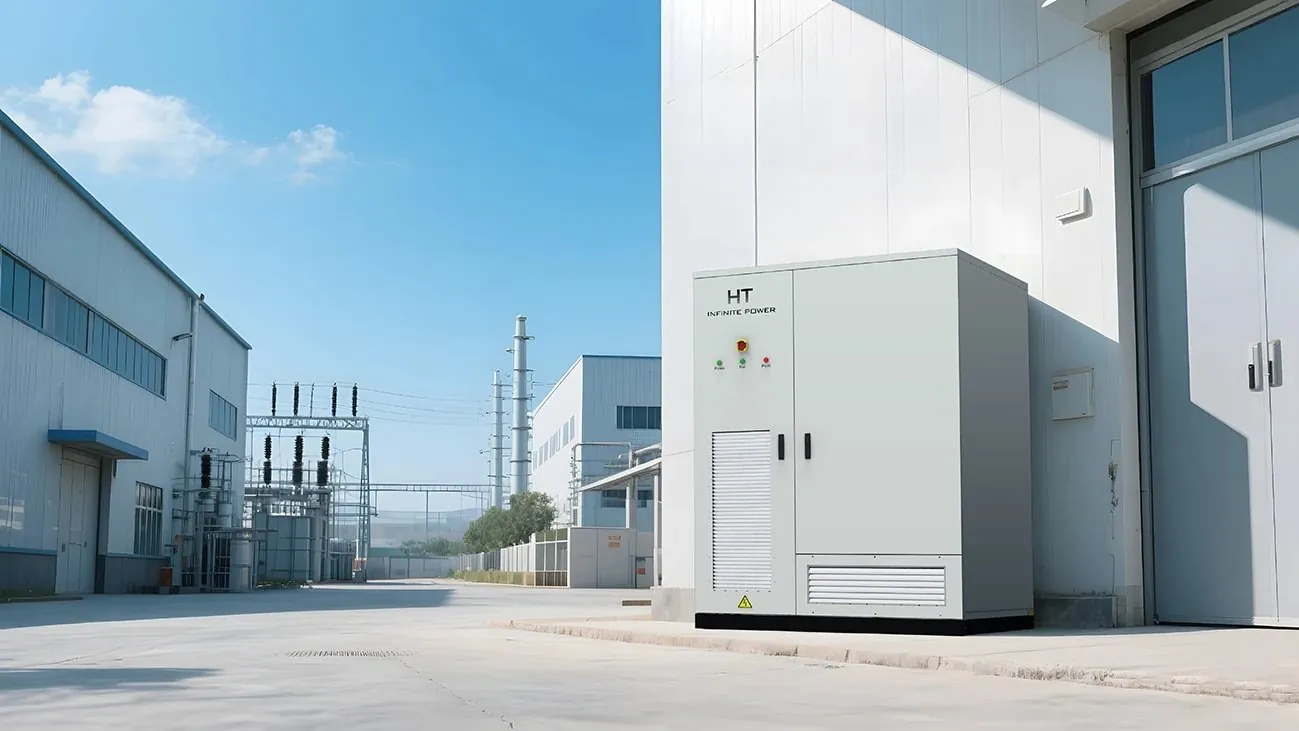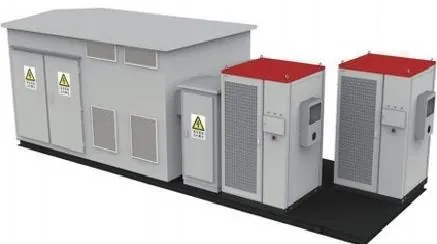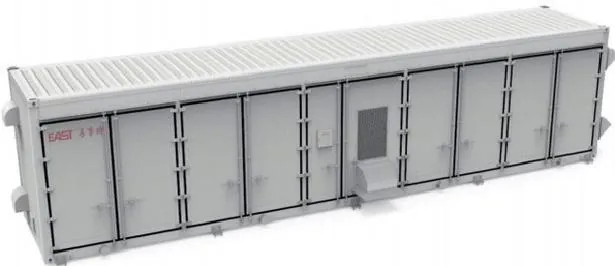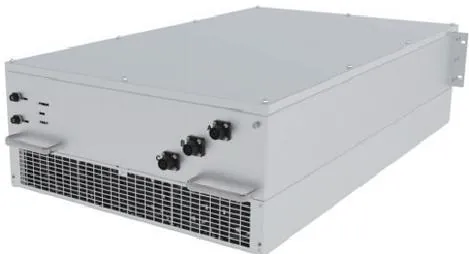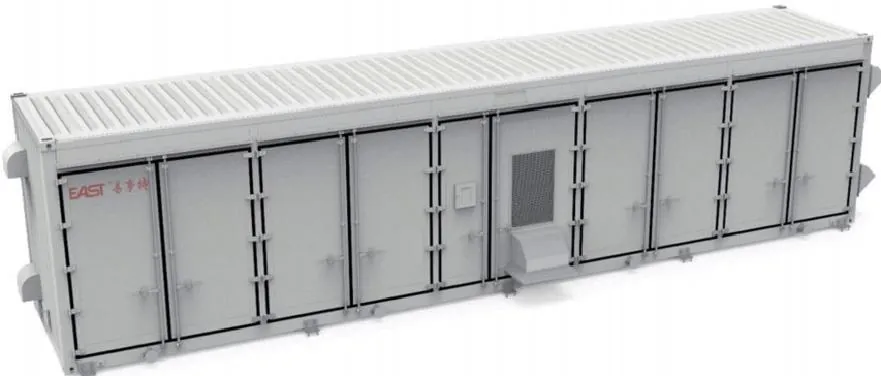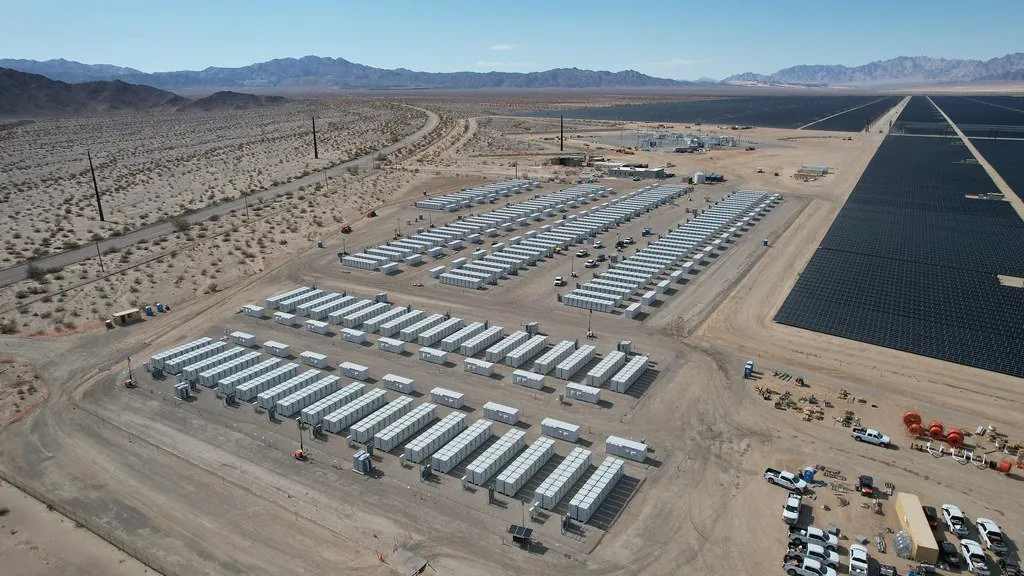
1500V storage systems are mainly used in MWh-plus utility-scale projects such as renewable plant storage, shared storage, grid peak shaving, independent storage stations and large C&I parks. Compared with lower-voltage platforms, the 1500V architecture reduces system current at the same power, cutting losses in cables, busbars and electrical connections, and better supporting standardized combinations of battery clusters, PCS and step-up units. For large-capacity projects with clear interconnection points and planned expansion, this architecture forms a unified system platform.
Project conditions that suit 1500V
If project capacity reaches several MWh to hundreds of MWh and must coordinate with PV, wind or grid-side dispatch, 1500V storage is usually worth evaluating first. Do not look only at rated capacity — confirm battery cluster voltage range, PCS DC input range, AC grid voltage, step-up transformer configuration, system efficiency, insulation monitoring, protection strategy and fire protection. High-voltage systems demand stricter electrical safety, cable design and site workmanship, so request a complete electrical topology and equipment boundary at the design stage.
Typical system architecture
A complete 1500V system consists of battery clusters, high-voltage control boxes, PCS, step-up transformers and EMS: clusters form battery stacks, cluster boxes provide protection and switching, PCS converts DC to AC, transformers match the grid voltage, and EMS coordinates charging/discharging and dispatch. Clearer equipment hierarchy makes commissioning, fault location and future expansion easier — one reason large projects favor this platform.
When 1500V is not necessary
For small C&I storage, home storage or short-duration backup, 1500V may not be optimal. Selection should return to project goals: renewable absorption, peak shaving, or cost reduction. If the timeline is tight, capacity small or site conditions limited, integrated low/medium-voltage cabinets may deliver faster.
For grid-dispatch projects, confirm the dispatch protocol, response time and technical support scope in advance; at acceptance, verify cluster voltage consistency, insulation monitoring, protection settings and PCS grid response to avoid communication or strategy issues after commissioning.
Utility-scale procurement checklist
Utility-scale projects are usually procured through tenders or long-form quotations, and the difference between a workable and a failed project often lies in documents rather than hardware. Prepare a specification matrix that fixes: battery cluster voltage range and capacity, PCS rated power and DC input range, step-up transformer configuration, system round-trip efficiency, auxiliary power consumption, fire protection and suppression design, communications protocol (Modbus, IEC 61850 or project-specific), grid-connection standard and target certifications. Define acceptance criteria in the contract — such as measured efficiency, capacity test procedures and commissioning milestones — and agree who owns the interface between the battery supplier, PCS supplier, EPC contractor and grid operator. Wholesale buyers and investors should also confirm the warranty structure for cells, modules, PCS and station-level EMS, plus spare part levels for multi-year O&M.
Qualifying your battery supplier
For large projects, supplier qualification is as important as the specification. Ask for production capacity and current factory utilization, references of completed or in-progress MWh-scale projects, certificates (IEC, UL, CE and grid-connection documents relevant to your market), test reports for the specific battery cluster model, and the engineering team that will support design review. Confirm the minimum order quantity and delivery schedule for containerized systems, and whether the supplier can handle container integration, commissioning supervision and operator training. A manufacturer with in-house cell, battery and PCS production usually provides better traceability for warranty claims than a system assembler. Request the cell datasheet, battery cluster datasheet and PCS datasheet for the exact models quoted, and keep them as annexes to the contract.
Commissioning, acceptance and after-sales
Plan commissioning at the contract stage: site acceptance tests, capacity and efficiency verification, grid dispatch interface testing and documentation handover (electrical drawings, protection settings, O&M manuals, spare part lists). Agree the response time for remote and on-site support, the warranty period and the conditions under which capacity degradation is compensated. For independent storage stations and shared-storage projects, operator training and a defined spare parts package should be part of the purchase, otherwise a single failed communication card can stall dispatch revenue for weeks.
Battery pricing, financing and wholesale considerations
Utility-scale storage is a capital-intensive purchase, and wholesale buyers typically negotiate on three axes: equipment price, financing support and long-term service. Battery cell prices have fallen steadily over recent years, so ask for the price validity period in writing and understand what a "price lock" covers — cells, modules, PCS or the whole station. For containerized systems, confirm whether the price includes the container shell, fire suppression, HVAC, auxiliary transformers and step-up units, or whether these are priced separately. If the project is financed by a bank, request the documentation banks require: datasheets, certificates, warranty documents, project references and sometimes the factory's financial standing. Some manufacturers offer extended warranties or O&M packages bundled with the equipment purchase; compare those packages against third-party O&M before signing.
Battery chemistry and system safety
Most utility-scale projects today use LFP (LiFePO4) chemistry because of its safety profile, cycle life and cost, while NMC and sodium-ion appear in specific niches. Confirm the cell chemistry and its energy density, the thermal runaway propagation test results of the battery cluster, the fire suppression design (gas detection, aerosol or water mist) and the alarm and isolation strategy between clusters. Ask for the safety certifications relevant to your market — such as UL 9540A test reports for the battery system — and verify that the protection architecture separates electrical faults from thermal events. Safety documentation is also a commercial requirement: many insurance providers require specific test reports before covering a storage asset, so request them at quotation stage rather than at delivery.
Typical questions from project investors
How long does a container system take to install? — Site preparation and installation typically take several weeks per container, but confirm the factory's scope: some deliver plug-and-play containers, others require on-site assembly. What are the main operating costs? — Auxiliary power, cooling, communication fees, O&M labor and periodic battery checks; request the factory's estimated annual O&M cost per MWh. What happens if the grid code changes? — Confirm whether PCS firmware and EMS software updates are included in the warranty, since grid code revisions can require new compliance settings.
Planning the grid-connection timeline
Utility-scale storage projects live and die by their timeline. Map the full path before signing: grid connection application and approval, land and permits, financing closing, equipment procurement and manufacturing, shipping and customs, site civil works, installation and commissioning, and acceptance tests. Each stage has its own lead time, and the storage system delivery is rarely the critical path — grid approval and civil works usually are. Coordinate with the EPC early so that the battery containers and the grid connection point are ready at the same time. Ask the manufacturer for a delivery schedule with milestones tied to your deposit and inspection points, and reserve buffer time for customs in countries with strict lithium battery import rules. A realistic timeline with agreed milestones is as valuable as the price in a utility project contract.