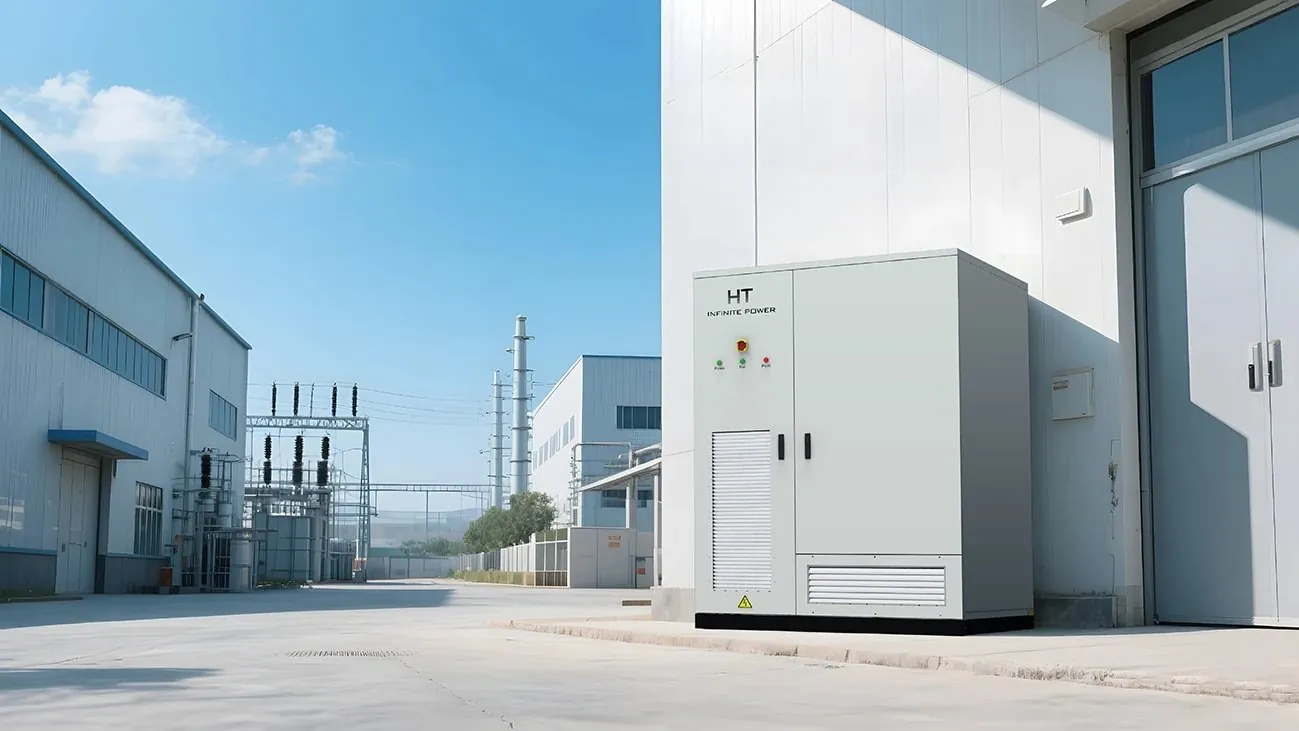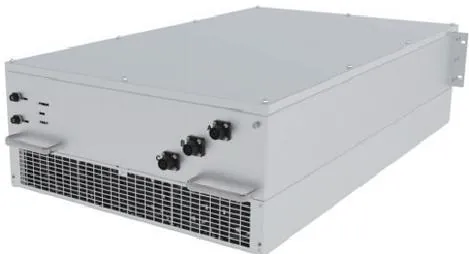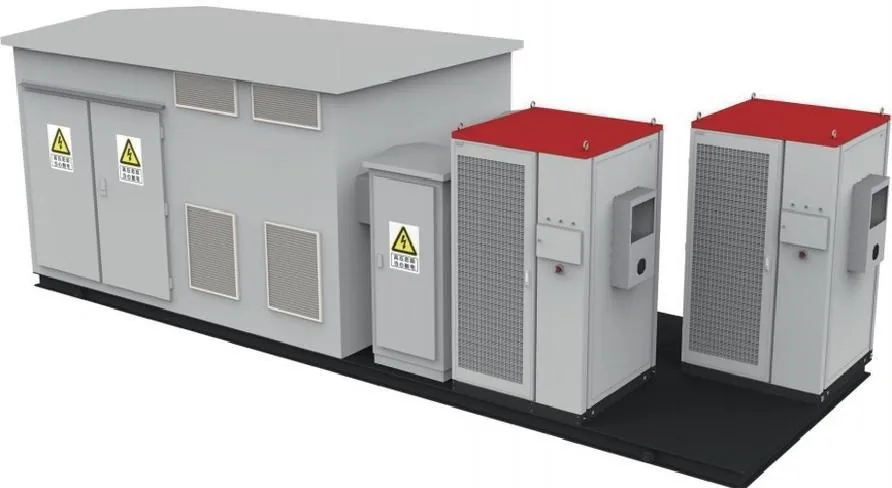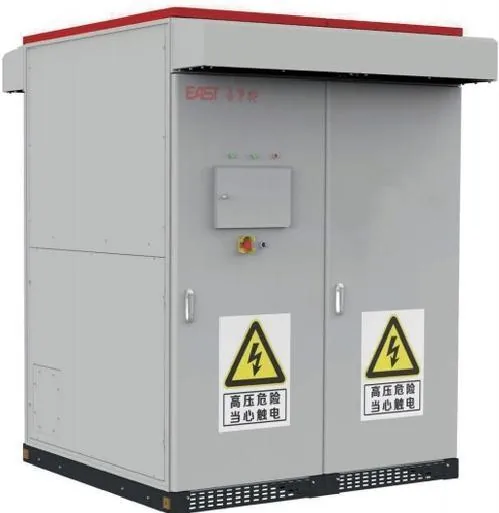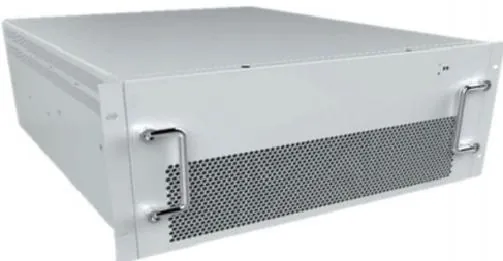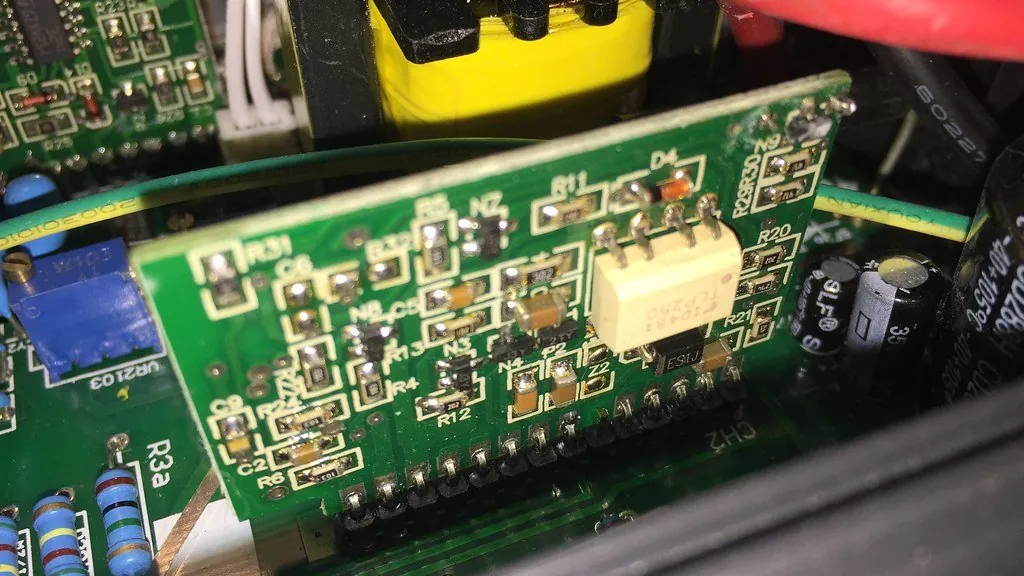
In a complete energy storage system, the PCS is the power conversion core that connects the battery to the grid. Whether for residential, C&I or utility-scale storage, PCS selection directly affects system efficiency, grid connection quality and return on investment. Buyers evaluating an energy storage system should review PCS efficiency, protection rating, communication protocols and EMS compatibility, and confirm matching with the battery cluster voltage platform.
PCS stands for Power Conversion System — the bidirectional converter between the battery's DC side and the grid's AC side in an energy storage system. Batteries store DC, while factory loads, the grid, transformers and most grid-connected equipment run on AC; the PCS is the core power-electronics bridge. It determines not only whether the system can charge and discharge, but also power response, grid-connection quality, protection strategy and EMS dispatch effectiveness.PCS is more than an inverter
In storage projects, the PCS follows EMS commands to control charge/discharge power, supporting constant power, constant voltage, constant current, peak shaving, demand control and grid regulation modes. It also handles power factor, harmonics, islanding protection, over/under voltage, over/under frequency, insulation monitoring and fault protection. For large projects, the PCS integrates with step-up transformers, ring-main units, containerized battery systems and station-level monitoring — selection must consider system-level compatibility, not just single-unit power.
Parameters to confirm when purchasing
When inquiring about PCS, clarify rated power, DC voltage range, maximum DC current, AC output voltage, grid frequency, protection rating, cooling method, communication protocol, parallel quantity and target certification. For 1500V storage, confirm the PCS DC range covers the battery cluster working voltage; for C&I projects, confirm local EMS support, peak-valley strategy and remote monitoring. A well-matched PCS stabilizes energy dispatch among battery, load and grid, and reduces commissioning and grid-connection risk.
How PCS, BMS and EMS work together
Storage operation is a three-way collaboration: the BMS monitors voltage, temperature, SOC and insulation on the battery side and passes allowable current and protection signals to the PCS; the PCS executes power output per command and reports status; the EMS sets system-level strategies such as peak shaving, demand control or dispatch response. The three interact through communication protocols — whether protocols are open and support local/remote control directly determines integration with existing energy management platforms, a soft parameter often overlooked during procurement.
PCS procurement checklist for B2B buyers
When purchasing PCS for a storage project — whether you are an integrator, EPC contractor or end customer — use a written checklist so that quotations are comparable. Confirm rated power and overload capability, DC voltage range and maximum DC current, AC output voltage and grid frequency range, protection rating (IP class), cooling method and derating behavior at high ambient temperature, communication protocols (Modbus TCP/RTU, CAN, IEC 61850), parallel operation capability, and certifications for the target market (CE, UL, IEC, VDE-AR-N or local grid codes). Ask for the efficiency curve rather than a single peak efficiency number, and for thermal and EMC test reports. Also confirm the quotation boundary: does it include the PCS only, or PCS plus step-up transformer, wiring, monitoring and commissioning? Wholesale buyers should clarify MOQ, lead time, spare parts and whether firmware updates and remote support are included in the warranty.
OEM/ODM and private label for PCS products
PCS is increasingly offered under OEM and private label arrangements for brands and integrators who need a specific appearance, communication interface or feature set. Confirm what the factory can customize: display language and appearance, communication protocol variants for your EMS, protection parameter defaults, enclosure color and branding, packaging and manuals, and special functions such as generator support or export limiting. OEM/ODM projects have their own cost structure — NRE for firmware or hardware changes, minimum order quantities, sample cycles and version control — so request a written change-specification process before starting. A factory with in-house power electronics development can usually support protocol-level customization; verify that the customized firmware is regression-tested on the same production line as standard models.
Warranty and after-sales service
PCS is a power electronics product with a defined lifetime under specified conditions, so the warranty terms matter as much as the price. Confirm the warranty period, what is covered (power module, control board, fans, communication board), the response time for remote diagnosis and on-site service, the spare part policy for the cooling fans and power modules, and the process for firmware updates. Ask whether the factory offers remote monitoring access for troubleshooting, and whether it maintains a service network in your region. For projects with long O&M horizons, request a recommended spare parts list and the current stock levels — a modular PCS design with field-replaceable power modules greatly reduces downtime compared with a sealed unit.
Efficiency, grid code compliance and soft costs
PCS efficiency directly affects storage revenue: a 98% vs 96% round-trip efficiency difference on the PCS translates into measurable energy losses over a 10-year operating life. Ask for the efficiency curve across the operating range and at partial load — many PCS units run most of their life at partial load, where efficiency differences are largest. Grid code compliance is another critical area: the PCS must pass the grid-connection tests of the target market (frequency and voltage ride-through, reactive power capability, anti-islanding, harmonic limits). Confirm which grid code versions the PCS is certified against and whether firmware updates for new grid code revisions are included in the warranty. Soft costs also matter: commissioning time, documentation quality, training for local operators and the availability of remote monitoring dashboards all affect the total cost of integrating a PCS into a project.
Integration questions for integrators and EPCs
Integrators typically ask five questions before selecting a PCS: Does the DC voltage range cover the battery cluster voltage platform at all SOC levels? Is the PCS compatible with the EMS and the battery BMS via standard protocols, and does the factory provide protocol documentation? What is the parallel operation capability — how many units can share a transformer and how is power sharing coordinated? What are the installation requirements — indoor or outdoor rating, clearance, cable entry and cooling? And what happens during grid faults — does the PCS support the required ride-through and recovery behavior? Request the PCS user manual, protocol guide and type-test reports before quotation comparison. A factory that answers these questions with documentation rather than promises is more likely to deliver a PCS that integrates cleanly with the rest of your system.
Verifying the DC side and AC side
PCS selection must be verified on both sides of the converter. On the DC side, confirm the battery cluster voltage range fits within the PCS window at all SOC levels, the maximum DC current matches the cluster rating, and the insulation monitoring matches the battery system's insulation class. On the AC side, verify the output voltage and frequency range against the local grid, the transformer connection (if any), the fault current rating of the grid-side breakers and the anti-islanding settings. Ask for the PCS type-test report covering both sides, and for the wiring diagrams showing the connection to battery clusters and the step-up transformer. During commissioning, run a full-power test at both minimum and maximum DC voltage to verify derating behavior. These checks cost little and prevent the majority of on-site PCS problems.