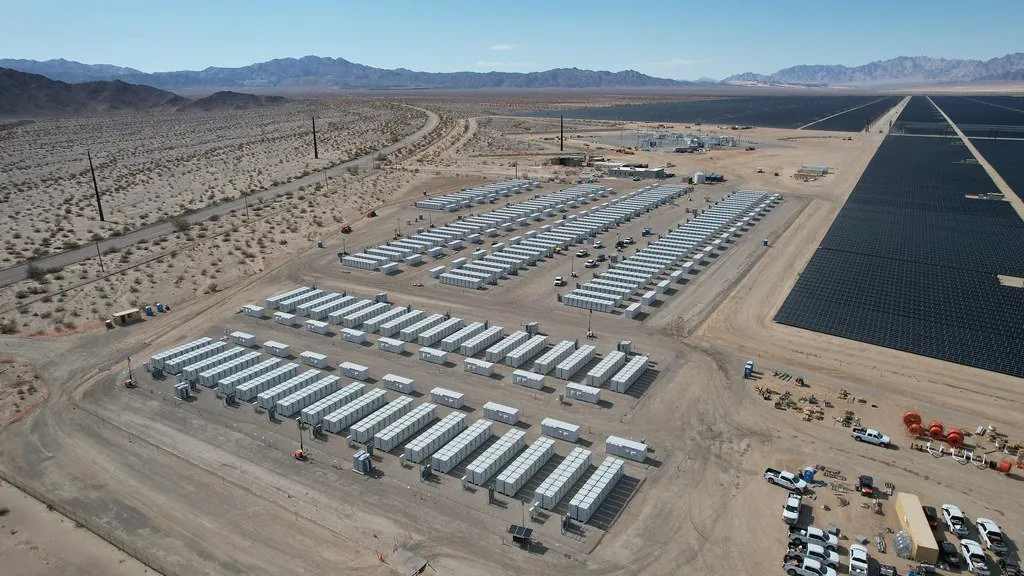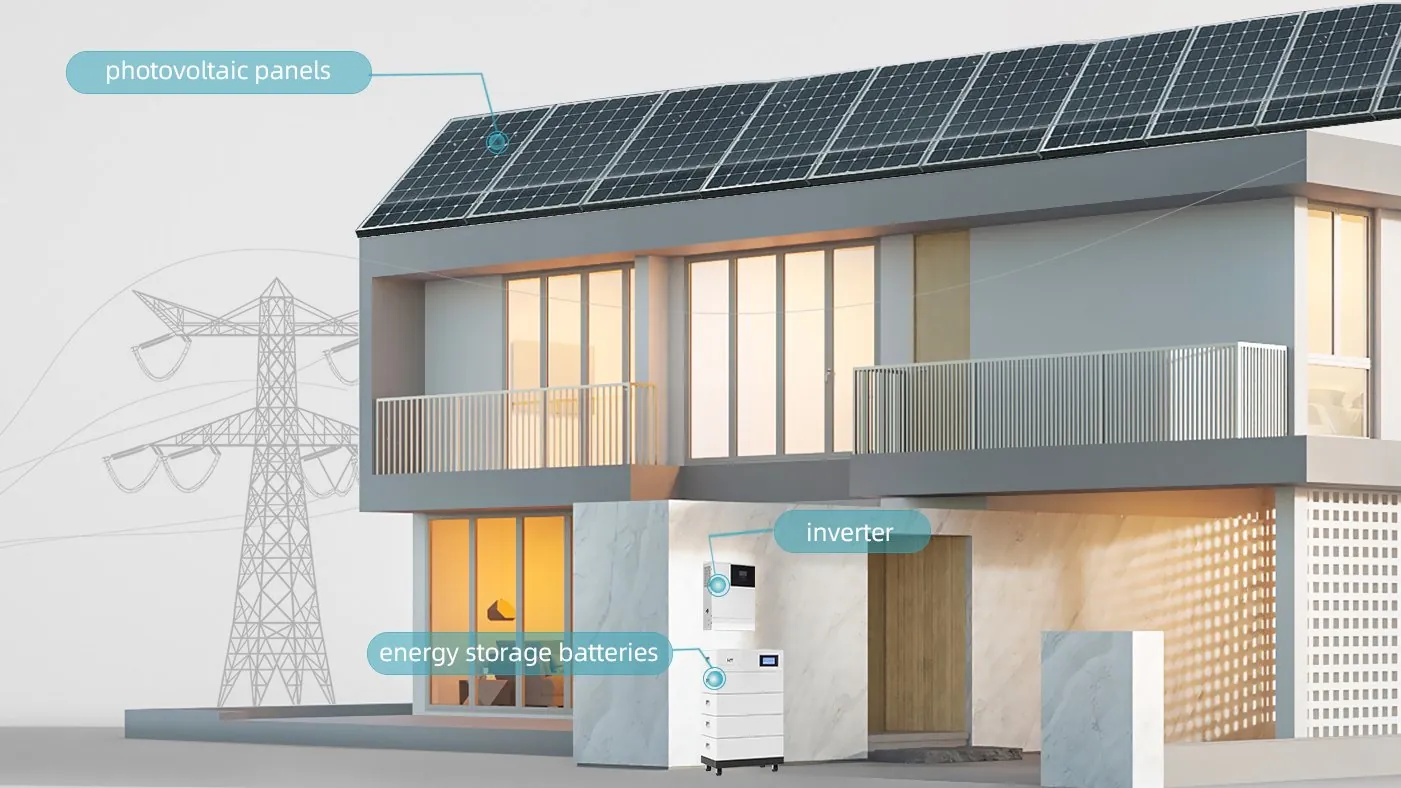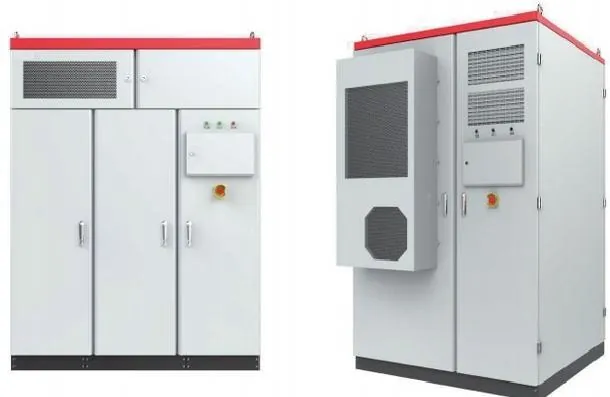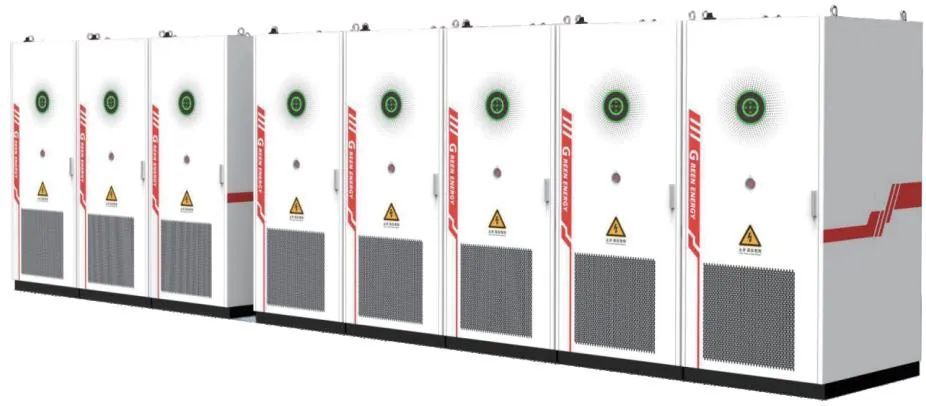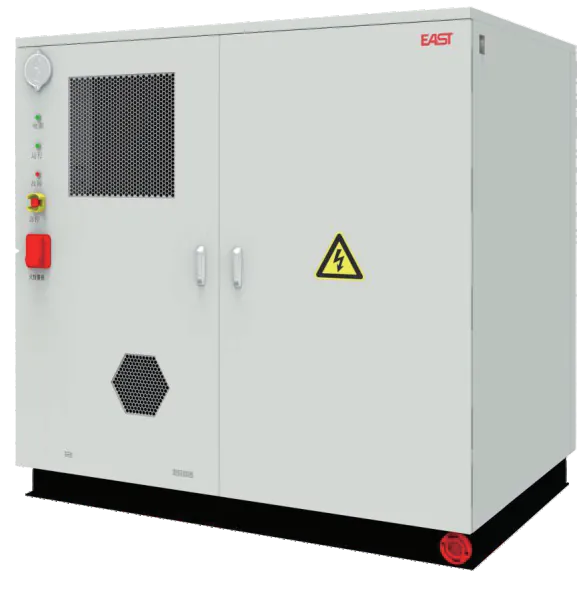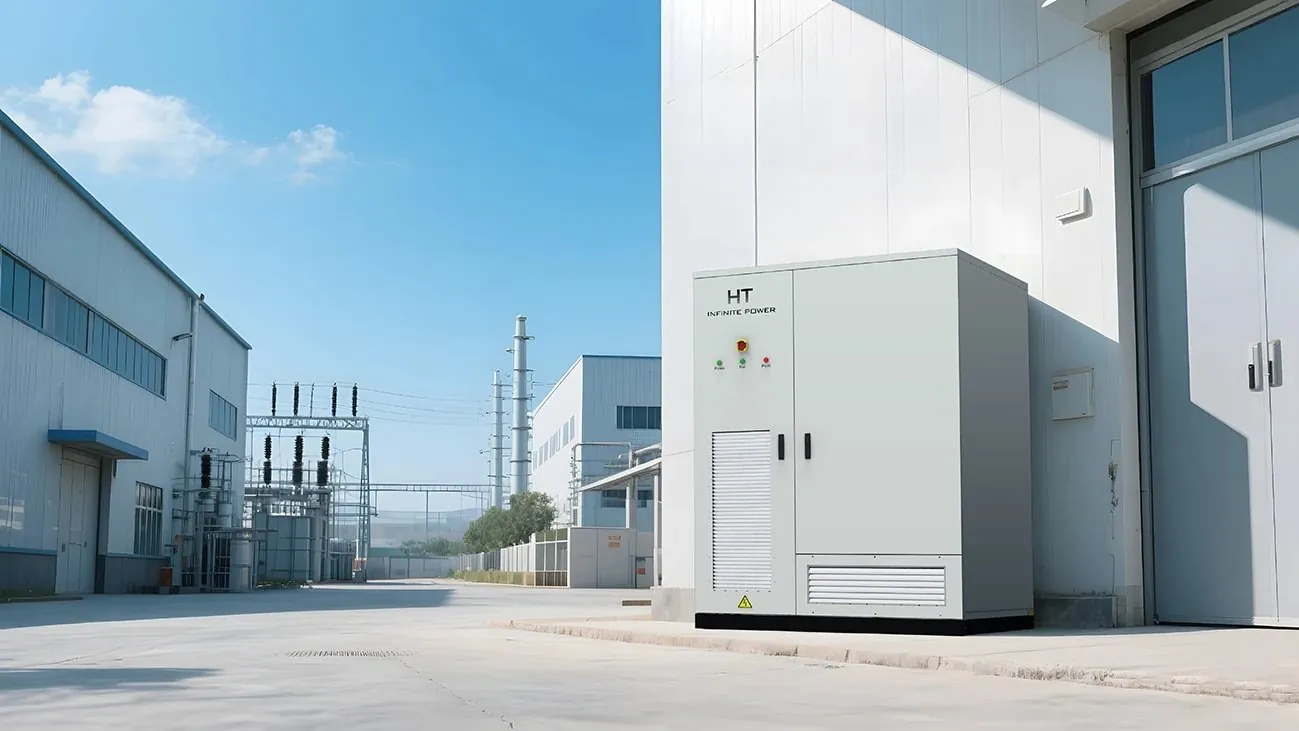
C&I energy storage selection cannot be based on battery cabinet capacity alone. What really determines whether a solution fits are the load profile, tariff structure, grid connection conditions, installation space and long-term O&M capability. For factories, parks, shopping malls and charging stations, storage systems typically handle peak shaving, PV self-consumption, demand control, backup power or microgrid regulation. Different goals lead to different power and capacity configurations: peak shaving depends on daily chargeable energy, backup scenarios depend on critical load power and duration, while PV self-consumption requires matching daytime generation with evening demand.
Gather basic information first
Before inquiring, prepare one to three months of load curves, peak/flat/valley tariffs, transformer capacity, planned connection points, site dimensions, ambient temperature, whether PV or diesel is connected, and the expected backup duration. Local fire protection, grid-connection or certification requirements should also be stated upfront. This lets the manufacturer decide between an all-in-one C&I cabinet, a liquid-cooled battery cabinet, or a modular configuration with separate PCS, battery clusters and EMS. The load curve is the most critical input — it determines capacity utilization, payback period and operating strategy.
Three common selection mistakes
The first mistake is comparing only battery cabinet prices. The real cost includes PCS, EMS, fire protection, installation, cabling, commissioning and ongoing O&M — price-only comparisons often miss budget deviations. The second is ignoring operating strategy: the same equipment behaves very differently under peak shaving, demand control, PV self-consumption or backup modes, so confirm EMS support before equipment arrives. The third is underestimating delivery and acceptance: grid interconnection, fire inspection, grounding and insulation tests, and communication handover all need advance planning, otherwise commissioning slips.
Information to submit when inquiring
To get a workable quote, submit: application and goals (peak shaving, backup or PV self-consumption), target country and grid standard, monthly consumption and load curve, transformer capacity and connection point, target capacity and backup duration, site dimensions and cooling conditions, PV/diesel connection, local fire and certification requirements, and expected delivery timeline. The more complete the information, the more accurate the capacity recommendation, equipment boundary and pricing.
The most effective inquiry is not about price alone — submit the application scenario, target country, project scale and delivery timeline together, let engineers propose a workable configuration, then compare price and lead time on that basis.
Wholesale procurement: what to confirm with the supplier
For B2B buyers and distributors purchasing C&I storage in volume, the quotation is only the first document. Before placing a wholesale order, confirm the minimum order quantity (MOQ) and whether it applies per model or per project, the standard lead time for container and cabinet systems, Incoterms and delivery scope (factory, FOB or DDP), payment terms and any progress payments tied to milestones such as factory acceptance tests. Warranty is equally commercial: ask for the warranty term in years, what it covers (cells, PCS, EMS, cabinet), how replacement units are handled, and whether commissioning support is included. A factory that manufactures the battery, PCS and cabinet in-house can usually give tighter boundaries and shorter lead times than a trader bundling parts from multiple suppliers.
Total cost of ownership and payback
Industrial buyers should evaluate storage on total cost of ownership rather than first cost. The main cost drivers are system efficiency (round-trip efficiency determines how much energy you can arbitrage), battery cycle life and degradation policy, cooling energy consumption, O&M frequency and the cost of premature replacement. Ask the manufacturer for typical-condition round-trip efficiency, cycle life at the target DOD, and the performance guarantee structure — some suppliers guarantee capacity retention over the warranty period, others only guarantee free repair. In markets with clear peak-valley tariffs, payback also depends on whether the EMS supports peak shaving, demand control and PV self-consumption strategies out of the box, or whether strategy customization is billed separately.
Why buy direct from the manufacturer
Buying factory-direct from a storage manufacturer — rather than through an intermediary — typically means direct engineering support during configuration, bulk pricing that is transparent and negotiable, the ability to request OEM/ODM customization such as branded cabinets or tailored EMS screens, and a single responsible party for warranty. For channel partners, a direct manufacturer relationship also enables private label arrangements, shared sales material and faster response on technical documentation. Ask whether the factory supports sample orders before bulk commitment, and whether project references in your target country can be provided for due diligence.
Supplier evaluation and sample orders
Before committing to a wholesale order of C&I storage systems, run a structured supplier evaluation. Review the factory's certifications (ISO 9001, ISO 14001, relevant product certificates), its track record of C&I projects similar to yours, and its engineering team's ability to review your load profile and propose a configuration. Ask for a sample or a reference visit before the first large order: check the quality of the cabinet welding, cable routing, labeling, BMS interface and documentation set. A small pilot order — even one cabinet — reveals far more about a supplier than any presentation, and most serious manufacturers will support it. During the pilot, verify the battery and PCS datasheets against delivered hardware, run a discharge test at site conditions, and confirm that the EMS dashboard matches the agreed strategies. Document the results and keep them as the baseline for batch acceptance.
Frequently asked questions from wholesale buyers
What is the typical lead time for C&I cabinets? — Usually 20 to 45 days after order confirmation for standard configurations, longer for container systems or OEM/ODM customization. Do you support financing or leasing structures? — Some manufacturers cooperate with finance partners for large projects; ask whether documentation supports bank financing. Can the system be expanded later? — Confirm the battery cabinet parallel capability, PCS slot capacity and EMS software support before purchase, since retrofitting a sealed system is costly. What is the warranty on cells? — LFP cells commonly carry a 5 to 10 year warranty depending on the manufacturer and the usage profile; request the exact retention guarantee in writing. How are spare parts stocked? — Ask about the spare part list and the local warehouse arrangement for the first year of operation.
Battery and PCS integration checklist
A C&I storage system is only as good as its integration. Verify that the battery cluster voltage range sits inside the PCS DC input range across all SOC levels, that the BMS and PCS communication protocol is documented and tested, and that the EMS supports the operating strategies you plan to use. Check the protection coordination between battery, PCS and grid-side breakers, and confirm the grounding and insulation monitoring scheme for the site. Ask the supplier for a single-line diagram and a functional test plan before delivery. For wholesale buyers purchasing multiple systems, request identical hardware revisions and firmware versions across the batch, and document any differences in the delivery record — this simplifies future maintenance and warranty handling.