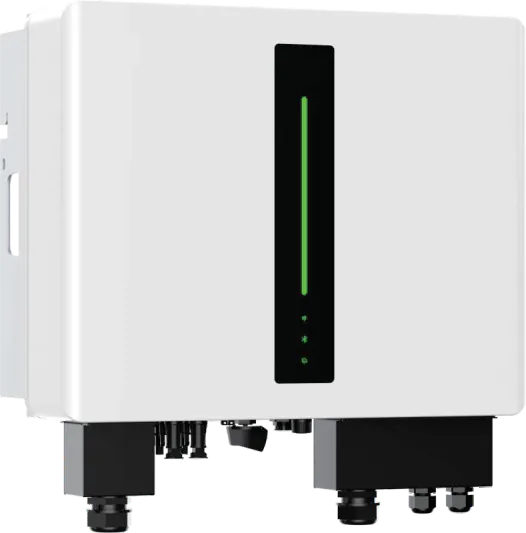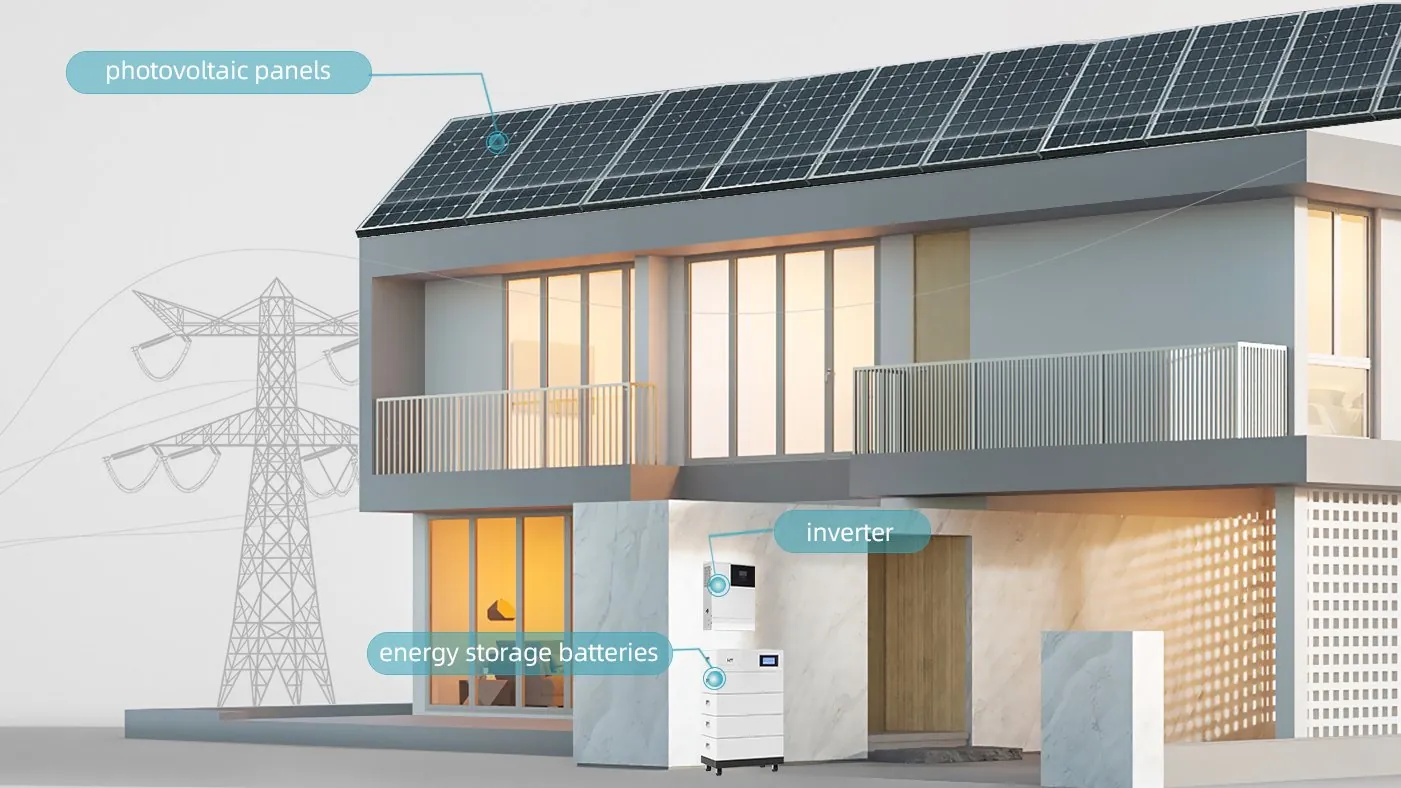
A home storage system looks simple — PV panels, an inverter and a battery — but selection hinges on whether the three match. The inverter handles PV input, grid export, off-grid backup and battery charge/discharge control, while the battery determines usable capacity, discharge rate and expandability. If inverter power is too small, critical loads cannot start; if the battery voltage platform mismatches, the system may fail to communicate or run stably; if capacity is oversized, cost and installation complexity rise.
"Home battery backup" and "solar battery for home" are among the highest-volume, most commercially-intent keywords in home energy storage. When choosing a home storage system, buyers should evaluate backup loads, outage duration and budget alongside inverter-battery matching — which is why Tesla Powerwall alternatives remain highly searched. As a LiFePO4 battery manufacturer, we offer cost-effective home storage batteries and Powerwall alternatives with B2B bulk pricing.
Confirm the grid and installation scenario first
Countries differ in single-phase, three-phase, on-grid, off-grid and hybrid applications. Channel partners should state the target market, grid standard, rated voltage, frequency and certification direction, then confirm rooftop PV capacity, daily consumption, whether backup is needed, and which loads connect to the backup circuit. Fridges, lighting, routers, security, water heaters and air conditioners differ greatly in power draw — all affect inverter power and battery capacity.
Low-voltage or high-voltage battery?
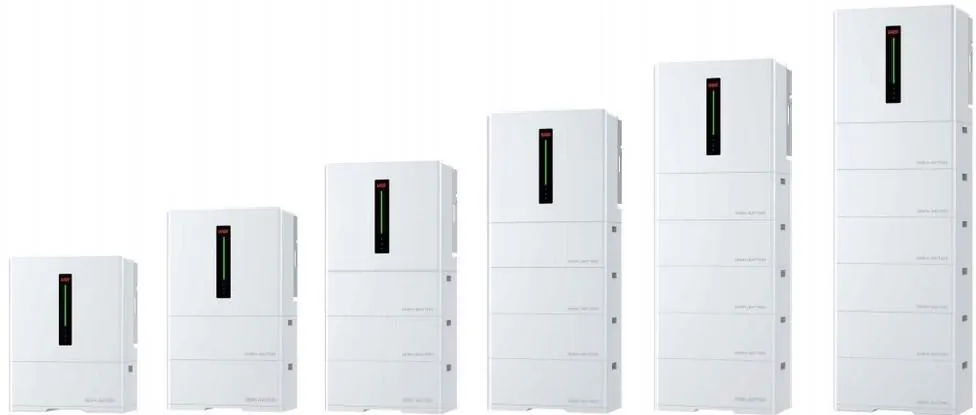
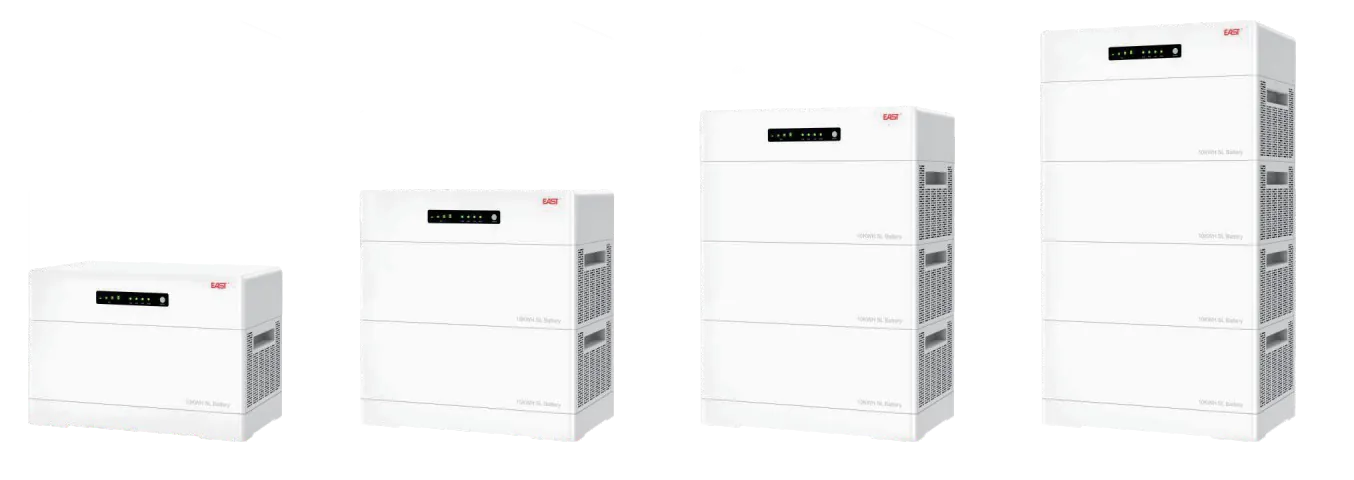
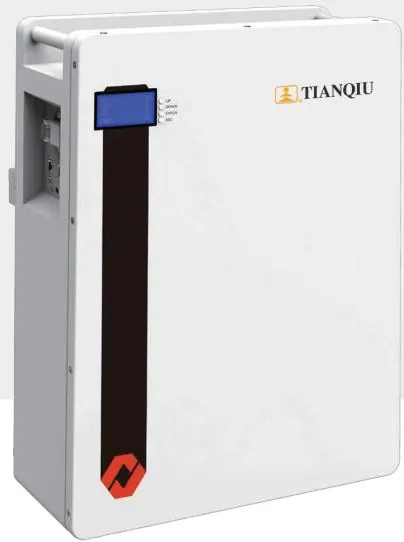
Low-voltage batteries suit common home backup and small expansion, with clear installation logic and easier maintenance; high-voltage stackable batteries fit higher power, efficiency and capacity needs. Also confirm BMS communication protocol, parallel quantity, maximum charge/discharge current, cycle life, protection rating and mounting method. Share target capacity, backup duration, installation country and inverter brand with the manufacturer to avoid interface, voltage or communication incompatibilities later.
Common matching problems
Three issues appear most often on site: inverter power below the simultaneously used critical loads causes frequent overloads during backup; battery voltage outside the inverter DC input range prevents startup or forces derating; and BMS/inverter communication incompatibility blocks capacity, SOC and alarm data. The common cause is selecting on single-device specs without checking interface conditions — request full compatibility documentation and wiring diagrams at the design stage.
How channel partners structure their lineup
Rather than stocking single models, organize three tiers: entry level for outage backup and basic self-consumption, main tier for typical homes with PV-plus-storage, and premium tier for large-capacity home energy management and multi-circuit backup. Fix inverter-battery pairings per tier with standardized installation notes and quote templates to cut end-customer communication cost and simplify centralized purchasing and warranty.
How distributors and wholesalers source home storage batteries
Home storage is sold through installers, distributors and retail brands, and each channel buys differently. Installers typically need small mixed orders with fast delivery and strong technical documentation; distributors buy in larger lots and need stable pricing, predictable lead times and simple returns; brands often want white-label or private label products with customized packaging and warranty terms. When sourcing from a manufacturer, agree on these points explicitly: the minimum order quantity per model and per mixed order, the lead time and how it is quoted (from order confirmation, from deposit, or from production slot), the packaging standard and whether retail-ready packaging is included, spare part ratios for inverters and batteries, and the warranty flow — who approves replacements and under what conditions. As a LiFePO4 battery factory, we support B2B wholesale orders with flexible MOQ, custom branding and project-level technical support for installer networks.
Warranty, installation and after-sales
Home storage failures are usually detected by the end customer, not by a maintenance team, so the after-sales process must be simple. Confirm the warranty period for battery and inverter separately, how capacity degradation is handled, whether the warranty transfers to the end customer, and the response time for replacements. For wholesalers, ask whether the manufacturer maintains regional spare stock or ships direct on RMA, and whether remote diagnostics are supported through the battery BMS or the inverter app. Also confirm installation requirements — wall-mounting kit, cable lengths, breaker sizes and ventilation — so that your installer network does not discover issues on site. Manufacturers that provide installer manuals, wiring diagrams and commissioning checklists reduce both installation errors and warranty disputes.
Marketing and sales support for channel partners
For brands and distributors, the manufacturer's sales material directly affects conversion: product datasheets, cut sheets, comparison tables against mainstream models, and reference photos of installed systems. Ask whether the factory can provide localized documentation, certification copies for your market, and demonstration units at cost. Some manufacturers also offer training for your sales and technical staff, co-marketing for trade shows, and after-sales service localization through regional partners. These are part of the wholesale value, not extras — confirm what is included before ordering.
LiFePO4 vs other battery chemistries for home storage
Nearly all modern home storage batteries use LiFePO4 (LFP) chemistry, and wholesale buyers should understand why before they commit inventory. LFP offers a long cycle life (typically 4,000 to 6,000 cycles at standard DOD), stable thermal behavior and lower risk of thermal runaway, which simplifies installation in homes and reduces insurance friction. Older NMC-based home batteries offer higher energy density but shorter cycle life and stricter thermal management requirements. When comparing battery quotes, ask for the cycle life at the DOD you intend to use, the depth-of-discharge recommended by the manufacturer, the operating temperature range, and the warranty's capacity retention clause. Also check the battery's rated charge/discharge current versus the inverter's requirements — a mismatch either limits usable power or voids the warranty. For distributors, standardizing on LFP across the lineup simplifies training, spare parts and certification documentation.
What installers should ask before stocking a new brand
For installers evaluating a new home storage supplier, the practical questions are: Is the battery compatible with the inverter brands you already install? (Ask for the official compatibility list and firmware versions.) What is the commissioning process — is there an app, and does the installer need training or certification? What does the warranty cover for installation-related damage, and how fast are replacements shipped? Are the physical dimensions and mounting brackets standard? Does the manufacturer provide a design tool or calculator for sizing? Is there local technical support in your time zone? An installer-friendly manufacturer answers these in writing, provides a simple RMA process and supplies installation documentation in your language. These factors determine whether a product becomes a profitable line or a support burden.
Sizing formulas for installers and distributors
Simple sizing rules keep quotations consistent across your team. For backup: take the critical load power (fridge, lighting, router, security) and multiply by the desired backup hours to get minimum usable capacity, then add 20-30% for degradation and cold-weather derating. For PV self-consumption: match the battery capacity to the average daily surplus generation of the home's PV system, typically 1-2 times the surplus. For the inverter: size it to the sum of critical loads that may run simultaneously, plus a margin for startup inrush of motors. These three numbers — usable capacity, inverter power and backup energy — form the core of any home storage quotation. Distributors can pre-compute them for common home profiles and keep a lookup table for their sales staff, reducing quotation turnaround from days to minutes.