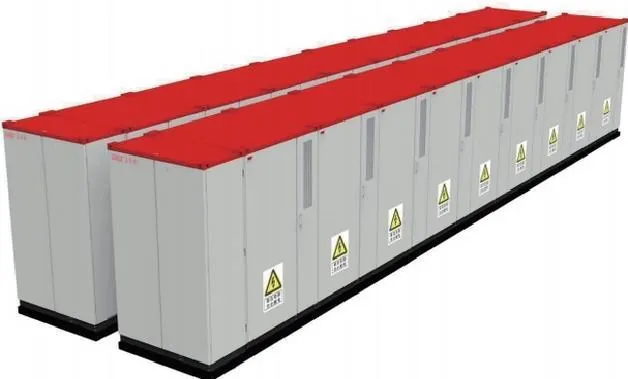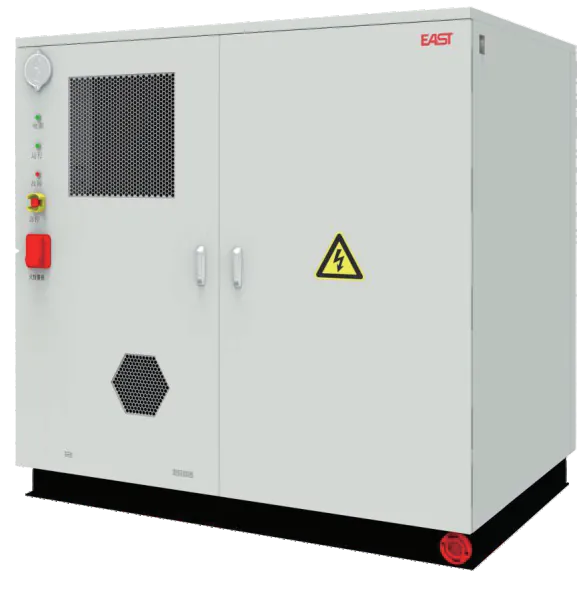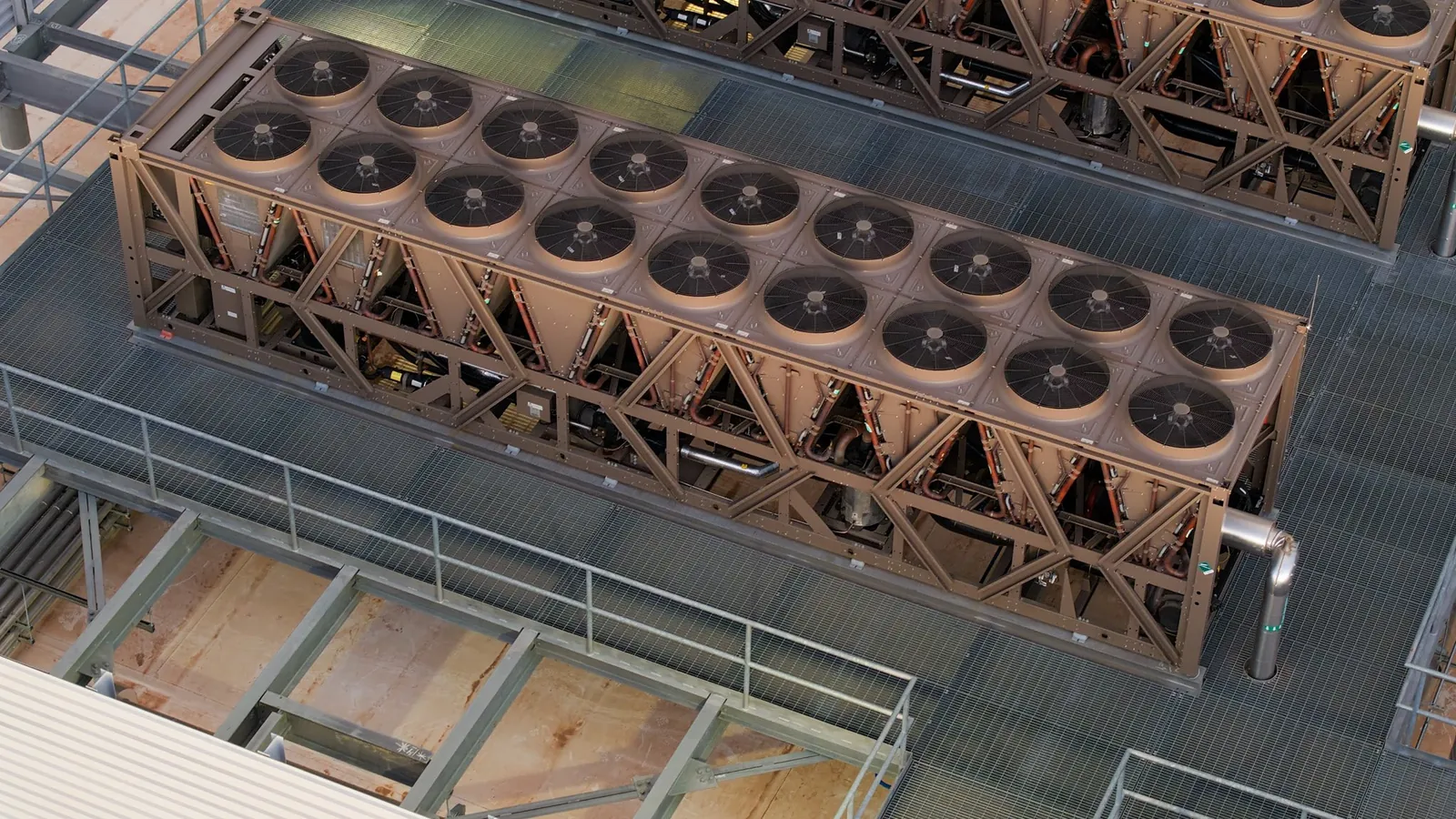
The cooling method of an energy storage system (ESS) directly affects battery life and system safety. Liquid cooling suits large-capacity, high-power-density installations, while air cooling remains advantageous for smaller, cost-sensitive projects. When selecting an ESS, evaluate cooling options against ambient temperature, operating profile and maintenance capability — a key factor in long-term reliable operation.
Energy storage systems generate heat continuously during charge and discharge; thermal management directly affects cell consistency, cycle life, system efficiency and safety boundaries. Air and liquid cooling are not simply high-end vs low-end — they serve different capacity ranges, installation environments and operating intensities. Selection should weigh project scale, charge/discharge rate, ambient temperature, site space, maintenance capability and budget, not just the marketing name of the cooling method.Characteristics of air-cooled storage
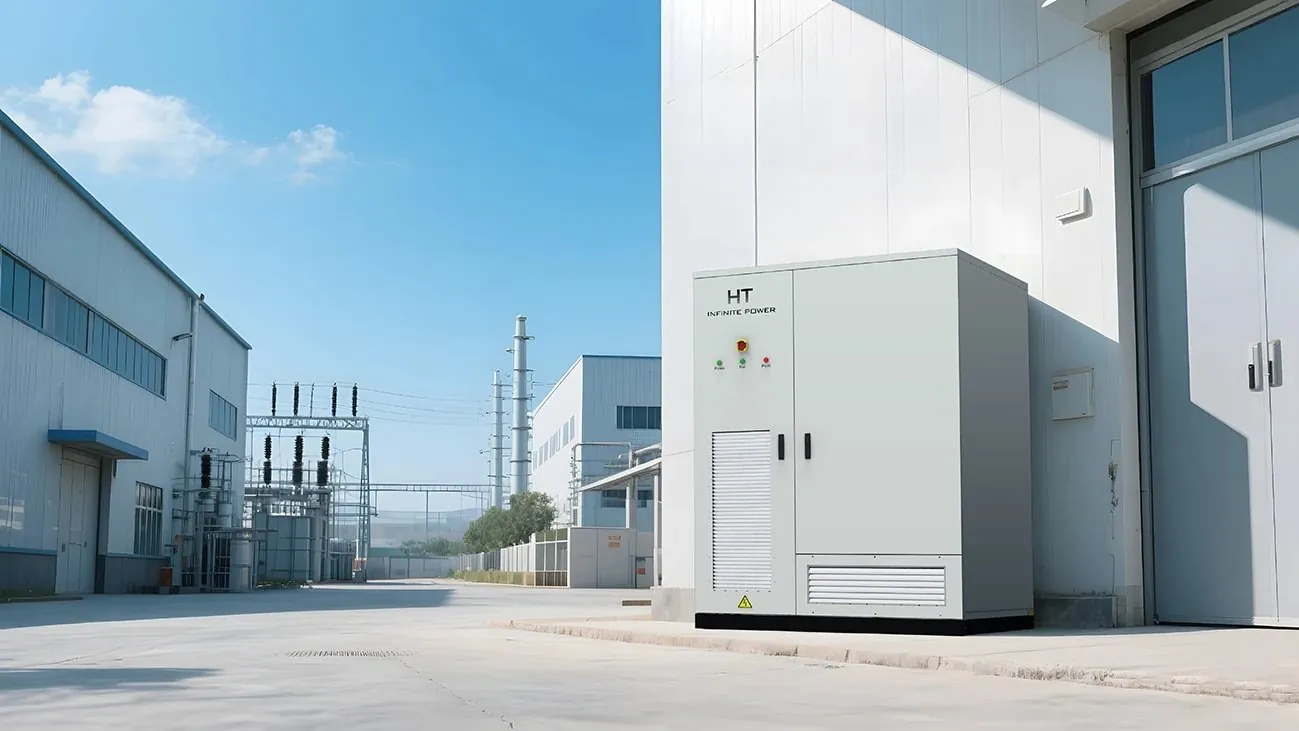
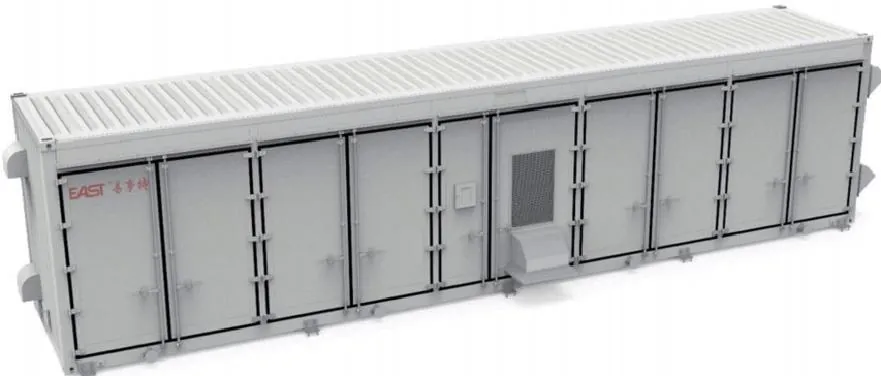
Air-cooled systems are structurally simpler — air ducts, fans and AC units control cabinet temperature — with lower cost and maintenance barriers, suited to small C&I storage, outdoor all-in-one cabinets and moderate operating intensity. Strengths: clear structure, easy spares and fast delivery. Limits: temperature uniformity depends heavily on duct design; high temperature, high rate or large container scenarios need careful evaluation of cooling capacity and noise.
Characteristics of liquid-cooled storage
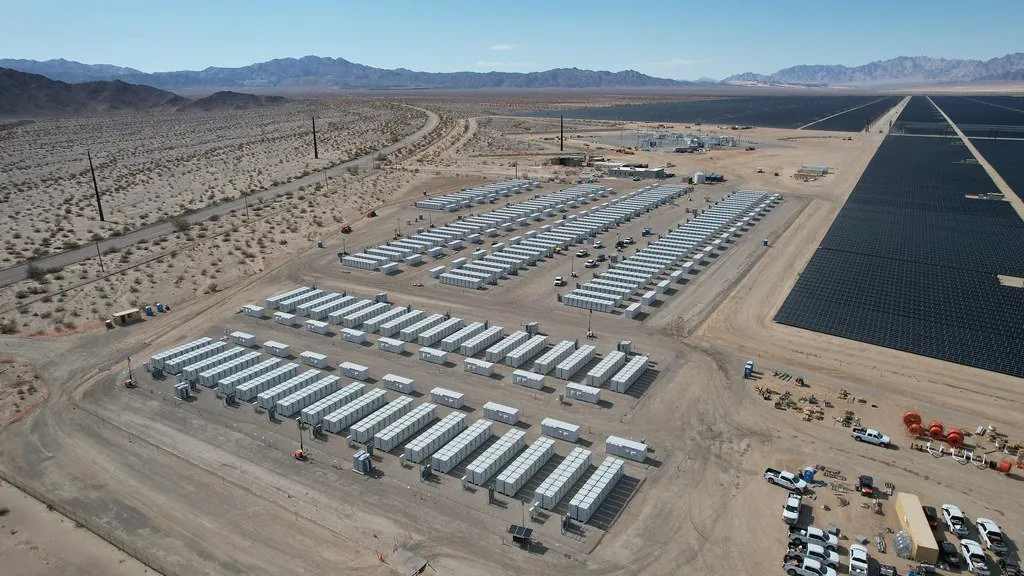
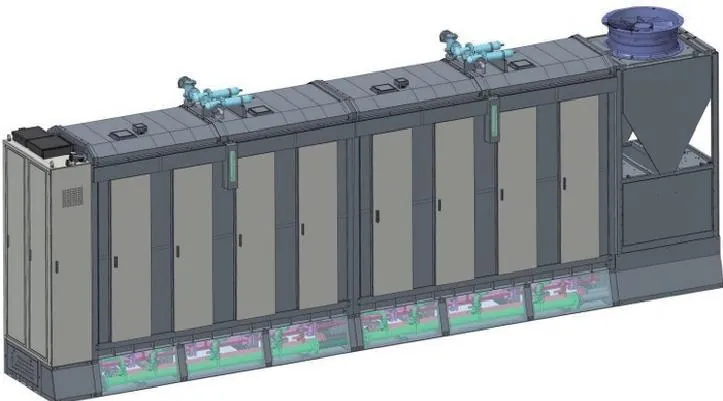
Liquid-cooled systems use coolant, cold plates, piping and chiller units to remove heat — better for high power density, long cycle duty and larger capacity. They reduce temperature differences between cells, extending life and improving consistency. The cost: more complex structure requiring attention to piping reliability, coolant maintenance, leak monitoring and after-sales capability. For utility storage, liquid-cooled cabinets and high-frequency cycling, liquid cooling usually wins; for budget-sensitive, low-intensity projects, air cooling remains practical.
Whole-life-cycle cost
Comparing only equipment prices, air cooling usually looks cheaper; but adding operating energy, maintenance frequency, life degradation and replacement costs changes the conclusion. Liquid-cooled systems need periodic coolant checks; air-cooled systems need duct cleaning and fan replacement. In high-temperature or high-rate scenarios, inadequate cooling accelerates cell degradation — often worth more than the price gap. Ask manufacturers for typical-condition cooling energy consumption, cell temperature delta and maintenance intervals, then compare on a whole-life basis.
How to compare supplier quotations fairly
Cooling comparisons fail most often because quotations do not have the same boundary. When comparing suppliers, check that each quote covers the same scope: battery chemistry and capacity (LFP vs NMC changes price and life), PCS power and brand, EMS features, fire protection design, installation and commissioning scope, and the warranty years for cells, system and cooling unit. A cheaper liquid-cooled quote may exclude the chiller unit, remote monitoring or spare parts; a more expensive air-cooled quote may include installation. Ask each supplier to state the typical-condition auxiliary power consumption (cooling + PCS losses) and the guaranteed round-trip efficiency, then normalize all quotations to the same delivered and installed boundary before comparing. For wholesale buyers, also confirm MOQ, lead time and payment terms — cooling system complexity affects both production lead time and spare part availability.
Choosing by project type
A practical rule of thumb: for small C&I cabinets and outdoor all-in-one units below roughly 500 kWh with moderate cycling, air cooling is usually sufficient and cheaper; for containerized utility storage, high-frequency daily cycling or sites above 35°C ambient, liquid cooling is normally the safer engineering choice. Within the same project, check the actual charge/discharge rate and daily cycles — a project that cycles once a day has far milder thermal stress than one cycling twice. Buyers should also consider who maintains the system: liquid-cooled systems require trained technicians for coolant handling, while air-cooled systems are easier for local general contractors to service. When in doubt, ask the manufacturer for thermal simulation or field data from similar projects in your climate, and make the cooling choice part of the written performance guarantee.
Buying from a manufacturer vs a trader
Cooling is a system-level design issue, so it is worth buying from a supplier that designs and tests the complete cabinet — cell selection, thermal design, cooling unit sizing and BMS integration — rather than a trader bundling components. A manufacturer can provide thermal test reports, adjust the cooling scheme to your site temperature, and take single responsibility for warranty claims involving both battery and cooling failures. For distributors and wholesale buyers, factory-direct sourcing also means faster access to updated documentation, firmware and spare parts for the cooling unit over the system's life.
Thermal safety and fire protection considerations
Cooling is closely linked to safety: poor thermal management is one of the common contributing factors in battery incidents, because high temperatures accelerate aging, gas generation and, in extreme cases, thermal runaway. When evaluating an ESS, ask for the thermal runaway propagation test results for the battery cluster, the alarm thresholds for cell temperature and voltage deviation, and the fire suppression design — gas detection, aerosol suppression or water mist systems — and how it interacts with the cooling system. In liquid-cooled systems, confirm the leak detection and coolant choice: some coolants are dielectric and safer around electronics, others require more careful handling. Also check the protection rating of the cooling equipment (IP class) and its behavior in dusty or coastal environments, since salt and dust affect both air filters and liquid-cooled heat exchangers. Buyers should treat the thermal management and fire protection design as a single system decision, not two separate line items.
Case-based selection: three typical projects
To make the cooling choice concrete, consider three cases. Case one: a factory in a moderate climate installing a 500 kWh C&I cabinet cycling once daily for peak shaving — air cooling is usually sufficient, costs less and is easier to maintain locally. Case two: a utility project with 20 MWh of liquid-cooled battery cabinets cycling twice daily in a hot region — liquid cooling with a well-designed chiller circuit is the safer and more durable choice, and the additional first cost is justified by cell life. Case three: a remote telecom site with high ambient temperature and no trained local maintenance — a simplified air-cooled cabinet with robust filters and remote monitoring may outperform a complex liquid-cooled unit that no one can service. When you present these cases to your supplier, ask them to confirm the configuration, cooling energy consumption and maintenance plan in writing; the answer reveals the depth of their engineering team.
Assessing environmental conditions
Before selecting the cooling scheme, characterize the site environment in numbers: annual maximum and minimum temperature, humidity, dust and salt exposure, altitude, and whether the installation is indoor or outdoor, shaded or exposed. High altitude reduces air density and cooling performance of air-cooled systems; coastal salt accelerates corrosion of heat exchangers and fans; desert dust clogs filters rapidly. Ask the manufacturer for derating data at your maximum ambient temperature and for the recommended maintenance interval under your conditions. Some suppliers offer upgraded filter kits, coated heat exchangers or enclosure pressurization for harsh environments — request these options as line items so the comparison stays fair. A storage system sized for average conditions but installed in extreme conditions will underperform and age faster, which is the most common hidden failure in cooling selection.